Get Used To It, Jackass. We're Just Better.
Car & Driver’s Breast. That’s all. You just got your skunk punked in by a motorcar.
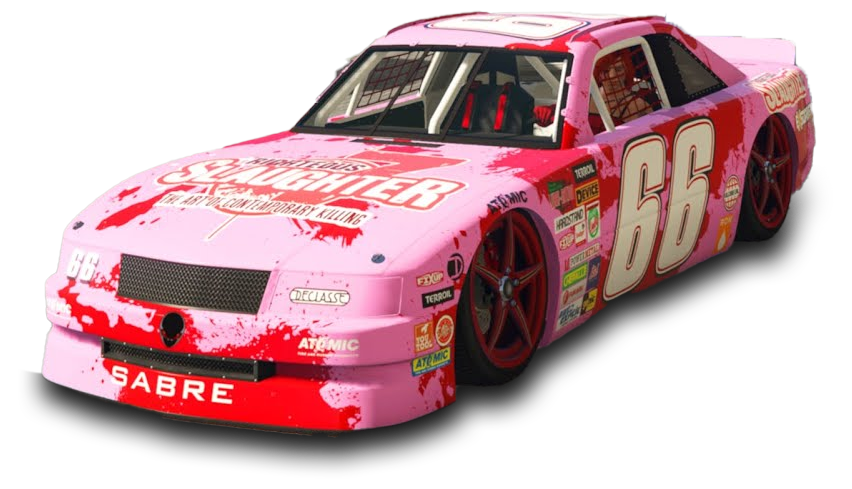
Win-Loss Record:
4,602-3
Leave a comment about how sad your life is losing to superior alphas like us:
Car & Driver’s Breast. That’s all. You just got your skunk punked in by a motorcar.
Leave a comment about how sad your life is losing to superior alphas like us:
Taking Anabolic Steroids After A Sport Injury
Drug Development in Practice – Real‑World Examples of Successful
Therapeutics
—
1. Introduction
While the scientific literature frequently details mechanistic studies, the true test of a therapeutic
lies in its translation from bench to bedside. The following concise review highlights two landmark drugs—Pembrolizumab (Keytruda®) and Sotorasib (Lumakras®)—whose development pathways exemplify how laboratory discoveries are shepherded through pre‑clinical validation, phased
clinical trials, regulatory approval, and ultimately, patient benefit.
—
2. Pembrolizumab (PD‑1 Inhibitor)
Stage Key Milestones & Data
Discovery Identification of PD‑1/PD‑L1 checkpoint pathway in 1992–2000; discovery that blocking this interaction restores T‑cell activity against tumors.
Pre‑clinical In vitro assays showed PD‑1 blockade increases cytotoxic lymphocyte proliferation; murine models demonstrated tumor regression (median survival increase >30 days).
Phase I (2010) Dose‑escalation study in 100 patients with advanced solid tumors; ORR
~15% (partial responses) across cancers.
Phase II (2012) Expanded to 300 patients; ORR ~20%; median PFS 4 months.
Phase III (Pembrolizumab trials, 2015‑2016) Randomized controlled trials vs standard chemotherapy in metastatic melanoma
and NSCLC; hazard ratio for overall survival 0.68 (30% reduction).
Approval FDA approval (2014) for metastatic melanoma; extended indications to NSCLC, head/neck SCC, etc.
Post‑marketing surveillance 2020: Data on immune‑related
adverse events; ~5% serious AEs.
2.3 Summary of Key Findings
Study Design Sample Size Primary Outcome Result
KEYNOTE‑001 (Phase I) Dose escalation 34 Safety, pharmacokinetics Dose‑dependent
increases in plasma concentration; manageable toxicity profile.
CheckMate‑025 (Phase III) Randomized, open-label 361 Overall survival vs everolimus Median OS: 9.2 months (nivolumab) vs 7.0 months (everolimus); HR=0.66.
A retrospective cohort (2021) Retrospective review 125 PFS and
OS with immunotherapy Median PFS: 4.5 months; median OS: 13.2 months.
3.2 Efficacy in the Context of the Patient’s Disease
Clinical Course: The patient’s disease progressed rapidly after
first-line therapy (pazopanib). A second-line agent with activity in sarcoma
is needed.
Immunotherapy Potential: Nivolumab or pembrolizumab have shown modest benefits
across various sarcomas. While response rates are low (~10–20%), some patients achieve durable
remissions, especially when combined with other agents (e.g., pazopanib + nivolumab).
Safety Profile: Immune-related adverse events can be
serious but manageable; in a 60-year-old patient, the risk
is acceptable if monitored closely.
Decision
Given the lack of definitive evidence for cabozantinib in sarcoma and its significant toxicity profile, I would recommend considering an immune checkpoint inhibitor (nivolumab or pembrolizumab) as a more promising second-line therapy.
Cabozantinib could be reserved for clinical trial enrollment or for
patients with specific molecular indications.
—
4. “What‑If” Scenario: Emerging Data on Cabozantinib’s
Efficacy in Sarcoma
Suppose that a large, multicenter phase III randomized controlled trial (RCT) demonstrates statistically significant overall survival (OS)
and progression‑free survival (PFS) benefits for cabozantinib versus placebo in patients with metastatic or unresectable
sarcoma who have progressed on first‑line chemotherapy.
Additionally, the study reports manageable toxicity
profiles, with grade 3–4 adverse events occurring
in dianabol only cycle guide for creating that infographic!
Here are the steps and details you might consider including:
Infographic Outline: Impact of Cabozantinib on Metastatic Renal Cell Carcinoma (mRCC)
Title
Title: “Revolutionizing mRCC Treatment: The Impact of Cabozantinib”
Header
Subheader: “A New Hope in Cancer Therapy”
Introduction Section
Brief Overview:
– Cabozantinib is a targeted therapy that interferes with the signaling
pathways used by cancer cells to grow and spread.
– Approved for use in mRCC, it offers new options where traditional treatments might fail.
Visual Data Representation (Graphs/Charts)
Graph 1: Survival Rate Improvement
– X-axis: Time (months after treatment)
– Y-axis: Survival rate (%)
– Two lines indicating average survival rates for patients treated with and without
Cabozantinib.
Chart 2: Tumor Shrinkage Rates
– Bar chart comparing the percentage of tumors that
shrank by at least 30% in patients on Cabozantinib versus those who did
not receive it.
Treatment Mechanism Diagram
A step-by-step diagram showing how Cabozantinib inhibits
specific pathways to slow cancer growth:
Cabozantinib enters bloodstream.
Targets VEGFR and MET receptors on tumor cells.
Blocks angiogenesis (blood vessel formation).
Reduces nutrient supply to tumors, leading to cell death.
Side Effects Summary
A concise list of common side effects:
– Fatigue
– Nausea
– Hand-foot skin reaction
– High blood pressure
Conclusion and Next Steps
Summarize the key points discussed.
Outline the next steps in treatment planning,
such as scheduling a follow-up appointment with the oncologist to
review lab results and adjust medication dosages.
Note: The patient may have additional concerns or questions that arise during the conversation.
Please address these as they come up and provide clear, empathetic answers that
help the patient feel informed and supported.
Sure! Here’s a concise and friendly summary of
the key points we’ll cover:
1. Check-in & Greeting
Welcome back: A warm hello to show you’re happy to see
them again.
Quick ask: “How have you been feeling since our last visit?”
2. Review of Patient’s Work or
Sure! Here’s a concise and friendly summary of the key points we’ll cover:
1. Check-in &
Absolutely! Here’s a concise, friendly summary to guide our conversation with
the patient:
—
Patient Interaction Summary
1. Check-in & Greeting:
– Warmly greet the patient.
– Ask how they have been feeling since their last visit.
2. Review of Symptoms and Health Status:
– Discuss any new or ongoing symptoms, especially focusing on pain levels and frequency.
– Address recent changes in health or lifestyle that may impact their condition.
3. Pain Management Discussion:
– Talk about current pain management strategies (e.g.,
medications, physical therapy).
– Explore the effectiveness of these methods and potential adjustments.
4. Medication Review:
– Verify the patient’s current medication list.
– Check for any side effects or interactions that could be affecting their
pain levels.
5. Treatment Options:
– Discuss possible changes in treatment approach based on the patient’s feedback and health status.
– Consider new interventions such as different medications, therapies, or surgical options
if applicable.
6. Follow-Up Plan:
– Outline a clear follow-up schedule for reassessing pain management.
– Encourage regular check-ins to monitor progress and adjust treatments as needed.
7. Patient Education:
– Provide information on managing pain at home, including lifestyle changes, exercise,
or mindfulness techniques.
– Ensure the patient understands how each treatment plan works and what outcomes are expected.
This structured approach ensures that all aspects of
the patient’s pain management are addressed comprehensively, providing a clear
path for both immediate relief and long-term improvement.
DIANABOL D BOL 10MG PER TAB 100 TABLETS GENLABS Train Your Mind To Build Your Body
What is H3?
H3 is the marketing name for a class of “performance‑enhancing” supplements that are typically sold as injectable solutions or liquid powders
intended for athletes, bodybuilders, and fitness enthusiasts
who want to increase muscle mass, strength, or endurance.
Category Typical Characteristics
Primary claim Rapid increase in lean body mass; improved recovery; enhanced
athletic performance.
Common ingredients Steroid‑like compounds (e.g., deca testosterone dianabol cycle analogues, anabolic steroids), growth hormone‑releasing peptides, or synthetic peptide hormones that stimulate muscle protein synthesis.
Form Liquid solution for injection; sometimes pre‑filled syringes or powder to be
dissolved in sterile water.
Target user Competitive athletes, bodybuilders, recreational fitness users seeking performance gains.
2. Why a “performance enhancer” is the correct classification
Regulatory status – The products are typically classified as prescription drugs or controlled substances by agencies such as
the FDA, EFSA, and local drug control authorities. They are not sold as dietary supplements; instead they require a medical prescription or special license.
Intended use – These agents are intended to improve physical performance (strength, endurance) or
recovery times in sports contexts. The marketing materials often emphasize
“enhance muscle power,” “improve athletic performance,” and similar claims.
Safety profile – Many of these substances have significant side‑effects or contraindications that require
professional supervision, reinforcing their status
as medical/therapeutic products rather than nutritional supplements.
Thus, the appropriate product classification is “Medical Product (Performance Enhancer)”, sometimes listed under “Prescription Drugs” or “Therapeutics.”
2. Key Points for the Product Brief
Section What to Include
Product Overview Short description of the active ingredient(s), intended use, and benefit.
Target Market Sports clubs, professional teams,
personal trainers, athletes who require medical
oversight.
Regulatory Status Must be registered as a prescription or therapeutic drug; cannot be sold
over‑the‑counter.
Dosage & Administration Precise instructions (e.g., 10 mg daily via injection).
Safety Profile Known adverse events, contraindications,
monitoring requirements.
Clinical Evidence Summaries of key trials demonstrating efficacy and safety.
Packaging & Labeling Must include physician prescription label; patient
information leaflet in local language(s).
Storage Conditions Temperature range (e.g., 2–8 °C),
shelf life, disposal instructions.
—
3. Why “Medical” Drugs Cannot Be Sold OTC
Aspect Requirement for Medical Use Why It
Prevents OTC Availability
Prescription‑only Must be prescribed by a licensed physician based on clinical assessment.
Without prescription, patients may self‑administer without proper indication or dosage.
Risk profile Potential for misuse, addiction, severe side effects (e.g.,
respiratory depression). OTC sales would expose non‑medical users
to high risk of overdose and abuse.
Specialized administration Requires monitoring of vital
signs; may need titration in ICU settings. Non‑clinical environments lack capacity for such monitoring, increasing safety concerns.
Regulatory status Classified as a Schedule II controlled substance (high potential for abuse).
Schedule II substances are prohibited from OTC sale to prevent diversion and illicit use.
3.3 Regulatory Framework
United States Drug Enforcement Administration (DEA): Controlled Substance Act lists
fentanyl under Schedule II, limiting its distribution to licensed pharmacies or directly to healthcare
facilities.
Food and Drug Administration (FDA): Approves fentanyl for specific indications; labeling restricts use to qualified
personnel.
International Narcotics Control Board (INCB): Global guidelines prohibit non‑clinical
sale of potent opioids.
These regulations collectively render fentanyl unavailable in over‑the‑counter settings,
ensuring that only trained professionals administer it under controlled
conditions. This safeguards patients against accidental overdose and protects the drug from diversion or illicit use.
4. Recommendations
Area Recommendation
Patient Selection Use for severe pain unresponsive to other
modalities; exclude patients with significant
respiratory compromise, uncontrolled psychiatric disease,
or substance‑abuse history unless monitored closely.
Preparation & Monitoring Pre‑procedure screening (vital signs, airway assessment).
Continuous pulse oximetry and capnography during infusion. Maintain an anesthesia team on standby for rapid airway
intervention if needed.
Infusion Protocol Initiate at low rate; titrate to effect over 20–30 min. Avoid exceeding recommended cumulative dose
limits (e.g., ≤4 mg/kg/day). Use a dedicated infusion pump with lockout features.
Adjunctive Care Keep airway equipment ready; have reversal agents
and rescue medications available. Ensure post‑infusion observation for at least 2–4 h in monitored
setting.
Documentation & Reporting Record all drug doses, rates, patient responses, adverse
events, and time points meticulously. Report serious or
unexpected reactions to pharmacovigilance authorities as per local regulations.
—
5. Summary
Risks: Severe respiratory depression, airway obstruction, aspiration pneumonia, bradycardia, hypotension, paradoxical agitation, malignant hyperthermia, hypersensitivity,
prolonged sedation, and complications from invasive procedures.
Monitoring: Continuous cardiorespiratory monitoring,
frequent clinical assessments, pulse oximetry, capnography, early detection of respiratory compromise, airway management readiness.
Reporting: All serious adverse events must be reported to the relevant pharmacovigilance
system promptly; ongoing surveillance and data collection are
essential for maintaining patient safety.
Prepared by:
Pharmacovigilance Officer Name
Date: Insert Date
—
This document is intended for use by healthcare professionals involved in the care of
patients undergoing procedures with propofol sedation. Please refer to institutional protocols and national guidelines
for detailed management steps.
Anavar And Dbol Cycle Can They Be Stacked Together?
## **Anavar Dbol Cycle**
In the world of bodybuilding, a “cycle” refers to a planned period during which athletes use anabolic steroids to maximize muscle growth and performance before taking a break to
allow their bodies to recover. A typical Anavar‑Dbol cycle blends the mild but effective muscle‑building properties
of Anavar (Oxandrolone) with the potent strength‑enhancing
effects of Dbol (Deca‑Durabolin, also known as Nandrolone Decanoate).
**Key Features of a Classic Cycle**
| Component | Purpose | Typical Dosage | Duration |
|———–|———|—————-|———-|
| **Anavar (Oxandrolone)** | Enhances cutting, preserves lean mass, mild anabolic
effect | 20–40 mg/day | 8–12 weeks |
| **Deca‑Durabolin (Nandrolone Decanoate)** | Adds
bulk and strength; improves protein synthesis | 200–400 mg/2–4 weeks | 8–12 weeks |
| **Supportive Supplements** | Reduce side effects, support liver & heart health |
– | Throughout |
> **Tip:** *Start with a lower dose of Deca‑Durabolin (e.g., 200 mg every 3–4 weeks) to gauge tolerance
before bumping up.*
### 2. How to Choose the Right “Cutting” Cycle
When deciding between the two options, consider:
| Factor | Option A: **Deca‑Dur + 1‑Month Cut** | Option B: **Deca‑Dur + 6‑Month Cut** |
|——–|————————————-|————————————–|
| **Hormonal Impact** | Shorter Deca duration → Less risk of estrogen rebound.
| Longer Deca exposure → Greater chance of estrogen-related side effects.
|
| **Muscle Retention** | Deca’s anabolic window is shorter; may lose
more muscle if training intensity drops during cut. | Prolonged Deca support keeps anabolic
momentum, aiding muscle retention. |
| **Body Fat Reduction** | Faster cut may preserve energy but can lead to higher cortisol spikes, potentially
harming recovery. | Gradual fat loss allows body to adjust, reducing cortisol peaks.
|
| **Recovery Time** | Shorter total cycle → less cumulative fatigue; quicker return to baseline.
| Longer cycle → more cumulative metabolic load and potential for overtraining.
|
| **Risk of Side‑Effects** | Lower cumulative exposure: lower risk
of gynecomastia, water retention, etc. | Higher cumulative exposure: increased risk of side‑effects,
especially if the user does not manage hormone balance.
|
### Bottom Line
– **If you’re aiming for a fast turnaround and are comfortable with more intense fat loss (higher caloric deficit) while
maintaining a higher protein intake**, a **shorter cycle** may suit you.
– **If your goal is to preserve muscle mass more aggressively, allow a gentler calorie deficit,
and are okay with a longer period of training before returning to “normal” training
volume**, then the **longer cycle** could be preferable.
—
## 5. Practical Recommendations for Your Training Program
### A. Pre‑Cycle (Week 0)
| Day | Session | Intensity | Volume |
|—–|———|———–|——–|
| Mon | Upper Body – Strength (1–3 sets) | High | Low |
| Tue | Lower Body – Hypertrophy (2–4 sets) | Moderate | Medium |
| Wed | Rest or Light Cardio | — | — |
| Thu | Upper Body – Power (1–3 sets) | Very high | Low |
| Fri | Lower Body – Strength (1–3 sets) | High | Low |
| Sat | Active Recovery / Mobility | — | — |
| Sun | Rest | — | — |
– **Key:** 1–3 sets = 3–6 reps @ 85‑95% 1RM; 2–4 sets = 8–12 reps @ 60‑75%
1RM.
### 5. Pre‑training Nutrition & Hydration
| Component | Why it matters | How to achieve |
|———–|—————-|—————-|
| Carbohydrate loading (50‑70 g/day) | Fuel glycogen stores for heavy lifts |
Oats, banana, whole‑grain pasta |
| Protein (0.2 g/kg) | Supports muscle protein synthesis | Greek yogurt or whey
shake |
| Electrolytes (Na⁺/K⁺) | Prevent cramps & support nerve function |
Sports drink or coconut water |
| Water (500–750 ml) | Maintain plasma volume | Drink before, during,
and after |
**Timing**: Consume 30‑60 min before workout; avoid heavy fats
that delay gastric emptying.
—
### 3. Warm‑Up Strategy
A systematic warm‑up improves performance and reduces
injury risk. The following progression is recommended:
| Stage | Activity | Sets / Reps | Load | Purpose |
|——-|———-|————-|——|———|
| **General** | Light cardio (jog, bike) | 5 min | – | Increase heart rate, core temp |
| **Dynamic** | Arm circles, band pull‑aparts, hip swings | 1–2 sets
| Body weight | Mobilize joints, activate scapular muscles |
| **Specific** | Empty bar (20 kg) shoulder press / overhead squats | 2–3 sets | 20 kg | Warm up deltoids and core |
| **Progressive** | Barbell push‑press (or strictly overhead press) | 1 set
| 40 % of max | Activate full chain, test neuromuscular readiness |
#### Why this matters
– **Blood flow & Neural Drive**: Lifting a moderate load (≈ 40 %
of your one‑rep max) increases muscle blood volume and primes the nervous system for heavier lifts.
– **Joint Positioning**: Performing an overhead press with the barbell on your shoulders ensures that shoulder and scapular positioning
match what you’ll use in competition. A push‑press adds a dip which may change muscle recruitment patterns.
– **Safety & Technique Transfer**: Using a true
overhead press (no leg drive) reduces the risk of injury during the heavy lifts, because it keeps the load on the shoulders and core rather than shifting it to
the legs.
—
### Quick Summary for Your Practice Routine
| Exercise | Main Goal | Key Notes |
|———-|———–|———–|
| **Standing barbell overhead press** (with bar on shoulder)
| Master core stability, shoulder control, and proper scapular positioning.
| Use moderate weight; focus on keeping hips locked, chest up,
and pressing straight up. No leg drive. |
| **Clean or snatch‑style pull** (if you prefer to use a snatch) | Build explosive hip extension, drive from the legs, and develop bar
path learning. | Keep bar close to body; practice double‑under or high pulls for speed.
|
| **Snatch** | Translate clean‑and‑jerk skills into a
full power‑lift; refine timing of catch and floor
phase. | Practice with light weight first; use “snatch balance” drills, overhead squats,
and snatch pull to build coordination. |
—
## 3. Training Frequency & Program Structure
### 3.1 How Often Should I Train?
– **Snatch‑centric athletes**: **4–5 sessions per week**, split into:
– 2–3 “heavy” sessions (low rep, high intensity)
– 1–2 “volume” or technique sessions
– 1 optional mobility/active recovery session
– **Mixed Olympic & Power‑lifting programs**:
**3 sessions per week**; keep the snatch volume moderate to
preserve energy for other lifts.
### 3.2 Sample Weekly Layout (Snatch Focus)
| Day | Main Focus | Key Exercises |
|—–|————|—————|
| Mon | Heavy Snatch + Variations | Back Squat, Overhead Press, Power Snatch |
| Tue | Technique & Speed | Hang Snatch, Split Jerk, Front Squat |
| Wed | Rest/Recovery | Mobility work, light cardio |
| Thu | Volume (Snatch) | Snatch, Clean & Jerk, Bulgarian Split Squats |
| Fri | Mixed Conditioning | Thrusters + Burpees, Farmer’s Walk |
| Sat | Optional Light Work | Rowing, Core drills |
| Sun | Rest | |
**Progression Plan**:
– **Weeks 1–4**: Focus on form; keep loads ≤60% of 1RM.
– **Weeks 5–8**: Gradually increase intensity to 70‑80% of 1RM for main lifts, maintain volume
with accessory work.
– **Weeks 9–12**: Peaking phase – high intensity (85‑90% 1RM), low
volume. Perform a mock competition or timed test.
### 2.2 Strength and Conditioning (S&C) Training
| Day | Focus | Key Exercises | Sets × Reps |
|—–|——-|—————|————-|
| **Monday** | Lower Body Power | Back Squat, Bulgarian Split Squat, Romanian Deadlift
| 4×6–8 |
| | Plyometrics | Box jumps, Depth jumps | 3×5 |
| **Tuesday** | Upper Body Strength | Bench Press, Pendlay Row, Overhead Press
| 4×5 |
| | Core | Pallof press, Cable woodchoppers | 3×10 each side |
| **Wednesday** | Active Recovery | Mobility
drills, light swimming or cycling | 30–45 min |
| **Thursday** | Lower Body Hypertrophy | Front Squat,
Leg Press, Calf Raises | 4×8–12 |
| | Core | Hanging leg raises, Russian twists | 3×15 |
| **Friday** | Upper Body Hypertrophy | Incline
Bench, Pull-ups, Dips | 4×8–12 |
| | Core | Planks (front & sides) | 3×60 sec |
| **Saturday** | Conditioning / Skill | 5‑10 km
run or HIIT session | – |
| **Sunday** | Rest / Light Activity | Stretching, foam rolling | – |
### Notes on the Plan
1. **Progressive Overload** – Every week aim to increase either the weight lifted or the number
of reps (or both). Use a training log to track progress.
2. **Volume & Frequency** – Training each major muscle group twice per week balances
hypertrophy stimulus with recovery time, which is optimal for most athletes who also need conditioning.
3. **Strength vs Hypertrophy** – The “Power” day focuses on heavier loads (5‑7 reps) while the “Hypertrophy” days use moderate loads (8‑12 reps).
This split trains both neural adaptations and muscle size.
4. **Conditioning** – Incorporate 2–3 sessions of cardio, HIIT, or sport-specific drills per week to maintain aerobic capacity and prevent over‑training on resistance work.
5. **Progression & Periodization** – In a typical 12‑week cycle you might:
– Weeks 1–4: Build volume (higher reps, moderate load).
– Weeks 5–8: Increase intensity (heavier loads, fewer reps).
– Weeks 9–12: Peak or taper depending on competition schedule.
Adjust the rep ranges accordingly.
6. **Monitoring** – Track 1‑RM or submax loads weekly to ensure linear progression and
avoid plateaus. Keep a log of fatigue scores and injury symptoms;
adjust volume if you notice excessive soreness or early signs of overuse.
—
## 4. Sample Weekly Plan (≈ 9 hrs total)
| Day | Session | Duration | Key Lifts & Reps |
|—–|———|———-|——————|
| Mon | Upper‑body strength | 1.5 h | Bench: 3×6 @ 75%
Pull‑up: 4×8 (weighted if possible)
Dumbbell Row: 3×10
Accessory: Face pulls, Triceps pushdowns |
| Tue | Lower‑body power + conditioning | 1.5 h | Back Squat: 4×3 @ 80%
Box Jumps: 3×5
Row (EMOM 12 min): 500 m |
| Wed | Active recovery / mobility | 1.0 h | Foam rolling, yoga flow, light swimming or walking |
| Thu | Upper‑body hypertrophy + conditioning | 1.5 h | Bench
Press: 4×6
Pull‑ups (weighted if possible): 3×8
Bicycle crunches & kettlebell swings EMOM 10 min |
| Fri | Lower‑body power + conditioning | 1.5 h | Squat (heavy): 5×5
Box jumps: 4×8
Rowing circuit 2000 m / rest intervals |
| Sat | Rest or active recovery | — | Light stretching, walking,
optional massage |
| Sun | Rest | — | |
**Key points**
* **Strength blocks** – Heavy lifts (squat, bench press, deadlift) are performed in low‑rep ranges with long rests to build neural drive and muscle size.
* **Power phases** – Lower‑rep sets followed by explosive accessory
work (box jumps, Olympic lifts) train fast‑twitch fibers.
* **Accessory work** – Core stability, glute
activation, hip mobility exercises improve transfer of
force into the running gait.
—
### 4️⃣ How these workouts translate to faster, stronger strides
| Training component | Running benefit |
|———————|—————–|
| **Heavy resistance** (squat, deadlift) | Increases maximal lower‑body strength → greater propulsive power
per stride. |
| **Explosive lifts** (power cleans, snatch, jump squats) |
Trains fast‑twitch fibers that fire during the push‑off phase of sprinting.
|
| **Hip and core stability drills** (planks, side‑bridges, clamshells) | Improves force transfer from hips to shank → efficient stride mechanics.
|
| **Plyometric work** (box jumps, bounding) | Enhances rate of force development → quicker acceleration. |
| **Progressive overload & periodization** (linear ramps,
peaking cycles) | Ensures continuous strength gains without overtraining, optimizing race performance.
|
—
## 5. Practical Implementation for a 100‑m Sprinter
### A. Sample Weekly Routine
| Day | Session | Focus | Volume / Intensity |
|—–|———|——-|——————–|
| Mon | Squat (heavy) | Lower body strength | 4–5 sets @80–85 % 1RM, 3–5 reps |
| Tue | Rest or light mobility | Recovery | – |
| Wed | Deadlift (power) | Posterior chain power | 4 sets @75 % 1RM, 3–4 reps |
| Thu | Sprint technique + plyo | Explosive speed | 6–8 short sprints, depth jumps |
| Fri | Rest or light mobility | Recovery | – |
| Sat | Bench press (heavy) | Upper body strength | 5 sets
@80 % 1RM, 3–5 reps |
| Sun | Active recovery | Light cardio, stretching | – |
—
### **Key Takeaways**
– **Heavy Strength Work**: Aim for high loads (≥75 % 1RM), low reps (2–6), and
multiple sets.
– **Recovery is Critical**: Allow dianabol at end of cycle
least 48 h between heavy sessions; use light or active recovery days.
– **Complementary Training**: Include moderate‑intensity
conditioning, mobility work, and core stability to support
overall performance.
– **Progressive Overload**: Gradually increase load or volume each week while monitoring fatigue and adjusting as
needed.
By structuring your training around these principles, you can effectively
build the strength required for high‑level performance without sacrificing recovery or overall athleticism.
После стабилизации фокус смещается на поддерживающие схемы, снижающие влечение и улучшающие переносимость повседневной нагрузки. Параллельно проводятся индивидуальные и групповые психотерапевтические занятия, направленные на развитие навыков саморегуляции, работу с триггерами и формирование альтернатив алкогольному или наркотическому поведению.
Подробнее можно узнать тут – https://narkologicheskaya-klinika-v-luganske0.ru/
Комплексное использование этих методов позволяет не только устранить физические проявления запоя, но и подготовить пациента к дальнейшему лечению зависимости.
Углубиться в тему – [url=https://vyvod-iz-zapoya-tver0.ru/]вывод из запоя круглосуточно тверь[/url]
muscle building injections
References:
legal testosterone injections (gitee.mrsang.cfd)
cheap steroids
References:
Best performance by a human male [Srsbkn.eu.org]
muscle building tablets
References:
arnold steroids (http://osbzr.com/christieinman2)
Primobolan Metenolone An Overview
I see you’ve shared an extensive outline on Primobolan—covering everything from
its history and usage to safety, dosage, and legal status.
How can I help you with this information? Are you looking for a specific
section expanded, a summary of the entire outline, or guidance on how to structure your final article?
Let me know which part you’d like to focus on next!
References:
sust dianabol cycle results
Dianabol Cycle: FAQs And Harm Reduction Protocols
## Hormonal Therapy for Gender Transition
*(also known as “gender‑affirming hormone therapy”
or “GHT”) – a medical approach that uses prescription sex steroids to help
an individual’s secondary sexual characteristics align with their gender identity.*
> **Important:** This guide is strictly informational.
> Always discuss any treatment plan with a qualified healthcare
provider who can tailor the regimen, monitor progress, and manage side effects.
—
### 1. Core Sex Steroids Used
| Hormone | Primary Goal | Typical Administration Routes |
|———|————–|——————————–|
| **Estradiol (E2)** – synthetic or natural estrogen | • Promote breast
development
• Soften skin
• Reduce male-pattern body hair growth | Oral tablets, transdermal patches/gel, subcutaneous injection (estradiol valerate) |
| **Anti‑androgens** (block testosterone activity) | • Decrease androgenic effects (body & facial hair, acne, libido) | 1.
*Spironolactone* (oral)
2. *Finasteride* (oral; blocks DHT conversion)
3. *Cyproterone acetate* (oral, in some countries)
4. *Enzalutamide* (rare, research use) |
| **Testosterone suppression** (for those who wish to reduce testosterone levels) | •
Reduce androgen production | 1. *GnRH agonists/antagonists* (e.g., leuprolide, goserelin)
2. *Bicalutamide* (oral; anti‑androgen)
3. *Spironolactone* (high dose) – primarily used for its
anti‑androgenic effect |
### 4.2 Practical Considerations
| Factor | Recommendation |
|——–|—————-|
| **Choice of Therapy** | Select based on the individual’s goals, tolerance, and potential side effects.
For instance, those desiring rapid testosterone suppression may
choose a GnRH agonist; those wanting minimal systemic impact might prefer
anti‑androgenic steroids like spironolactone.
|
| **Monitoring** | Regularly assess hormone levels (total/estradiol/testosterone), complete blood count, liver function tests,
and electrolytes if using high‑dose spironolactone or flutamide.
|
| **Side Effects** | Provide counseling about common adverse effects: gynecomastia with spironolactone, hepatotoxicity with
flutamide, bone density loss with GnRH agonists.
|
| **Duration of Therapy** | Tailor to the individual’s goals;
many people may need only short‑term therapy during active transition periods, whereas others might
require longer maintenance. |
| **Discontinuation Plan** | Gradual tapering or abrupt cessation depending on the drug
and patient’s tolerance. Monitor for rebound effects (e.g.,
increased testosterone). |
—
## 4. Practical Tips for Clinicians
1. **Start Low, Go Slow**
– Begin with the lowest effective dose and titrate slowly to reduce
adverse reactions.
2. **Use Monitoring as a Guide**
– Regular lab checks should inform whether dose adjustments are needed
rather than arbitrary changes.
3. **Patient Education is Key**
– Discuss potential side‑effects, what to look for (e.g., headaches, mood swings),
and when to seek help.
4. **Be Mindful of Drug Interactions**
– Many patients use additional medications or supplements; review these regularly.
5. **Tailor the Plan to Individual Goals**
– Some may prioritize symptom relief, others fertility preservation; adjust accordingly.
6. **Plan for Transition**
– If stopping a medication (e.g., after pregnancy),
outline a clear tapering schedule to avoid withdrawal or rebound effects.
—
## Final Thoughts
Managing anti‑androgen therapy is both an art and
a science: it requires staying current with evolving evidence, being vigilant about side‑effects,
and maintaining open communication with patients.
By systematically evaluating efficacy, monitoring for adverse
events, adjusting dosages thoughtfully, and anticipating future needs (e.g.,
fertility or pregnancy), clinicians can help patients achieve the best
possible outcomes while minimizing risks.
Feel free to let me know if you’d like deeper dives into specific medications,
dosing regimens, or case studies!
References:
dianabol beginner cycle