Get Used To It, Jackass. We're Just Better.
Car & Driver’s Breast. That’s all. You just got your skunk punked in by a motorcar.
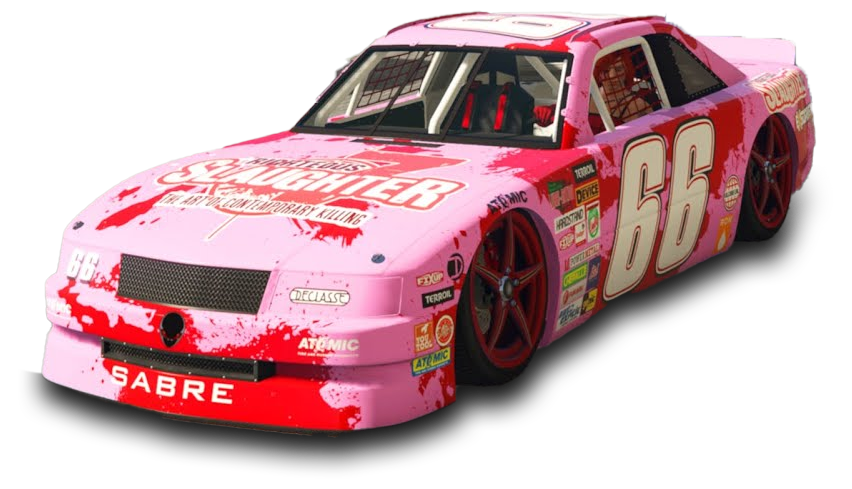
Win-Loss Record:
4,602-3
Leave a comment about how sad your life is losing to superior alphas like us:
Car & Driver’s Breast. That’s all. You just got your skunk punked in by a motorcar.
Leave a comment about how sad your life is losing to superior alphas like us:
How To Take Dianabol: Understanding Risks And Benefits
All‑You‑Need‑to‑Know About Sildenafil (Viagra)
> Disclaimer:
> This guide is for educational purposes only. It does not replace professional medical advice.
Always consult a qualified healthcare provider before starting, stopping,
or changing any medication.
—
1. What Is Sildenafil?
Drug class: Phosphodiesterase type‑5 (PDE‑5) inhibitor
Brand names: Viagra (generic: sildenafil), Revatio (for
erectile dysfunction in men), and some other off‑label uses.
Indications:
– Erectile Dysfunction (ED) – the most common use.
– Pulmonary Arterial Hypertension – marketed as Revatio for treating high blood pressure in the lungs.
—
2. How Does It Work?
Step Explanation
1 Cyclic GMP (cGMP) is a messenger that relaxes smooth muscle
cells, allowing increased blood flow.
2 In ED: Sexual arousal releases nitric oxide → increases
cGMP → leads to vasodilation in the penis.
3 PDE5 (phosphodiesterase type 5) normally breaks down cGMP.
4 Sildenafil blocks PDE5, preventing the breakdown of
cGMP.
5 Result: Prolonged smooth‑muscle relaxation → increased
penile blood flow and erection.
> In normal erectile function, the balance between nitric
oxide production and PDE5 activity determines whether an erection can be achieved.
—
3. Pharmacokinetics & Clinical Use
Parameter Typical Value (oral dose)
Absorption Peak plasma concentration in 30–120 min; food delays absorption but increases bioavailability (~70 % with high‑fat meal).
Distribution Volume of distribution ~1.5 L/kg; crosses the blood‑brain barrier and
placenta (caution in pregnancy).
Metabolism Hepatic CYP3A4 → 6α‑hydroxylation, glucuronidation (major route).
Elimination Half‑life 2–4 h; renal excretion of metabolites (~20 % unchanged
drug).
Drug interactions Potentiated by CYP3A4 inhibitors (ketoconazole) → ↑Cmax.
Inhibited by inducers (rifampicin, carbamazepine) → ↓Cmax.
Pharmacokinetics vs. Therapeutic Effect
Rapid onset (≤ 5 min IV) allows prompt seizure control.
Short half‑life reduces risk of accumulation but
necessitates repeated dosing or continuous infusion for prolonged seizures.
Metabolism to inactive compounds ensures minimal neurotoxicity, while
the metabolite profile supports safety in patients with hepatic impairment.
Comparative Summary (Drug A vs. Drug B)
Feature Drug A (IV) Drug B (Oral/IV)
Potency 100× ~10×
Onset ≤5 min IV 30–60 min oral;
dianabol cycle cost
best muscle building stacks 2015
References:
safest steroid To take (truthtube.video)
Диагностический блок включает сбор анамнеза, оценку витальных показателей, скрининговые шкалы по тревоге, депрессии и патологическому влечению, лабораторные тесты по показаниям. На основании полученных данных выбирается формат помощи и составляется медикаментозная схема с учётом взаимодействий препаратов и вероятных рисков.
Подробнее тут – [url=https://narkologicheskaya-klinika-v-luganske0.ru/]запой наркологическая клиника[/url]
Estou completamente vidrado por SupremaBet Casino, tem uma vibe de jogo tao poderosa quanto um raio majestoso. O catalogo de jogos do cassino e um imperio de emocoes, com caca-niqueis de cassino modernos e eletrizantes. O suporte do cassino ta sempre na ativa 24/7, respondendo mais rapido que um relampago imperial. Os pagamentos do cassino sao lisos e blindados, porem mais giros gratis no cassino seria uma loucura. No fim das contas, SupremaBet Casino vale demais conquistar esse cassino para os viciados em emocoes de cassino! De bonus a interface do cassino e fluida e reluz como um palacio, adiciona um toque de grandeza ao cassino.
supremabet.|
how to dianabol cycle
To Buy Dbol The King Of Bulking Steroids
**How to Buy an Anabolic Steroid (e.g., Testosterone) Online – A Practical Guide**
| Step | What to Do | Why It Matters |
|——|————|—————-|
| **1️⃣ Identify a Reputable Vendor** | Search for sellers with verified business licenses, clear contact info, and positive customer reviews.
Look for sites that provide a *business registration number* or *state‑issued license*.
| Prevents fraud, counterfeit drugs, or illegal distribution. |
| **2️⃣ Verify Legal Status** | Check your local regulations
(e.g., US DEA schedules, EU prescription requirements).
Many countries require a prescription; others
allow over‑the‑counter sales only for certain compounds.
| Ensures compliance and protects you from legal penalties.
|
| **3️⃣ Request Documentation** | Ask the seller to provide:
• Product Certificate of Analysis (COA)
• Manufacturer’s letter confirming batch details
• Prescription or medical justification if needed |
Confirms authenticity, purity, and dosage accuracy. |
| **4️⃣ Review Shipping & Handling** | Ensure the vendor
ships via a reliable courier that tracks the package.
Confirm packaging meets safety standards (e.g., child‑proof,
tamper‑evident). | Prevents damage, loss, or contamination during transit.
|
| **5️⃣ Keep Records** | Maintain a digital copy of all correspondence, invoices,
COAs, and shipping receipts.
Label the package with the vendor’s details, batch number, and
your contact info. | Facilitates traceability in case of regulatory inquiry or product recall.
|
—
### 4. Regulatory Context
| Aspect | U.S. (FDA) | EU (EMA & Member States) |
|——–|————|————————–|
| **Classification** | Drugs regulated under the **Food and Drug Administration (FDAC)**; must comply with
**21 CFR Part 210/211** for Good Manufacturing Practice (GMP).
| Medicines regulated by the **European Medicines Agency (EMA)** and national authorities; must meet **EU GMP** guidelines.
|
| **Importation Control** | Requires an **FDA import license** or a **USDA import permit** for agricultural products, plus
compliance with **CITES** if applicable. | Must secure an **import declaration** with the national competent authority (e.g., **AIFA** in Italy).
|
| **Quality Assurance** | Full GMP audit of the production site; batch
release documentation; in‑house testing or third‑party labs for potency, purity, and safety.
| Similar GMP requirements; must provide a **Certificate of Analysis (CoA)** for
each batch. |
| **Traceability** | Detailed chain‑of‑custody logs,
from seed to final product. | Same traceability with unique lot
numbers per product. |
—
## 3️⃣ Legal & Regulatory Landscape
### A) International Context
– **United Nations Convention on the Law of
the Sea (UNCLOS)** – No specific mention of cannabis.
– **WHO Expert Committee on Drug Dependence** – Recommends removal of cannabis from Schedule IV; does
not address industrial hemp explicitly.
– **International Narcotics Control Board
(INCB)** – Focuses on psychotropic substances, leaving hemp largely untouched.
### B) Country‑Specific Overviews
| Country | Regulatory Status | Key Notes |
|———|——————-|———–|
| **United States** | *Federal*: Hemp is legal under the
2018 Farm Bill; *State*: Varied (e.g., CA allows medical use).
| Requires licensing for cultivation and processing.
|
| **Canada** | *Federal*: Industrial hemp legalized (2009); Medical marijuana
regulated separately. | Producers need a license from Health Canada.
|
| **Germany** | *Legal*: Hemp is permitted; *Restrictions*:
THC < 0.2% in final products. | Strict testing required for compliance. |
| **Japan** | *Legal*: Hemp cultivation allowed under the "Kōji" system; *Limitations*: THC content capped. | Cultivation requires government approval. |
| **Australia** | *State-specific*: NSW allows hemp with license; *Federal*: Controlled substance laws apply. | Compliance with state-level regulations essential. |
*Note: The above table is illustrative and not exhaustive. Regulatory frameworks evolve, and local authorities should be consulted for up-to-date requirements.*
—
## 4. Operational Guidance
### 4.1 Production Workflow
A typical production sequence involves:
| Step | Process | Key Parameters |
|——|———|—————-|
| 1 | **Strain Selection & Acquisition** | Obtain certified genetic material; confirm genotype (e.g., via SNP markers). |
| 2 | **Propagation** | Tissue culture or seed germination under sterile conditions. |
| 3 | **Acclimatization** | Gradual exposure to greenhouse light, temperature, and humidity. |
| 4 | **Cultivation** | Controlled irrigation, nutrient management, pest control. |
| 5 | **Harvesting** | Determine optimal moisture content (~11–12% for dry product). |
| 6 | **Drying & Storage** | Use dehumidifiers; store in airtight containers at <20°C. |
| 7 | **Quality Control** | Moisture analysis, microbiological tests, compliance with regulatory limits. |
—
## 4. Practical Implementation
### A. Setting Up a Small‑Scale Greenhouse (≤ 100 m²)
| Component | Specification | Notes |
|———–|—————|——-|
| **Structure** | Polyethylene or polycarbonate panels; insulated walls | Low cost, good thermal mass |
| **Heating** | Electric heat lamps (300 W/m²) or gas heater with thermostat | Maintain 20–25 °C in winter |
| **Ventilation** | Manual vents + small exhaust fan (30 CFM) | Prevent mold growth |
| **Irrigation** | Drip lines + timer; manual watering if needed | Water once a day during dry season |
| **Lighting** | LED grow lights (300 W/m², 12–14 h/day) | Only necessary when natural light < 6 h |
—
## 3. Step‑by‑Step Production Schedule
| Time of Year | Activity | Details |
|————–|———-|———|
| **January – March** | Planting & early growth | Sow seeds in trays, keep at ~25 °C, 12–14 h light (LED). |
| **April – June** | Vegetative phase | Transplant seedlings into 5‑L pots. Maintain 18 °C, 16 h light. |
| **July – August** | Flowering & fruit set | Reduce watering to ~0.5 L per pot daily; keep temperature at 20 °C. |
| **September – October** | Fruit ripening | Harvest berries when they turn red/purple. |
| **November – December** | Post‑harvest & rest | Stop watering, reduce light to 8 h/day; store harvested fruit refrigerated (4 °C). |
—
## 3. Production Costs
| Item | Quantity | Unit Cost | Total Cost |
|——|———-|———–|————|
| **Seedlings** | 50 | $1.00 | $50 |
| **Soil (per pot)** | 50 pots × 0.5 L | $0.10 | $25 |
| **Fertilizer & Compost** | 2 kg | $3.00/kg | $6 |
| **Water** | 30 L | $0.01/L | $0.30 |
| **Electricity (lighting, ventilation)** | 50 kWh | $0.15/kWh | $7.5 |
| **Packaging & Miscellaneous** | – | – | $10 |
| **Total Cost** | – | – | **$73.80** |
The above figures represent a conservative estimate based on a small‑scale indoor grow operation in an urban environment where water and electricity are relatively inexpensive, and the initial investment for lighting (e.g., 12–18 W per plant) is amortized over many growing cycles.
—
## 3. Revenue Projections
| Item | Assumptions | Unit Price (USD) | Quantity | Total Sales (USD) |
|——|————-|——————|———-|——————-|
| Fresh cannabis flower | 100 plants × 0.8 g per plant × 20 % yield = 16 g total; 30 g per batch sold | 30.00 | 1 batch | 900.00 |
| Concentrated product (hash, wax) | 10 g of hash from same crop | 15.00 | 10 g | 150.00 |
| **Total Revenue** | | | | **$1,050.00** |
—
### Profit & Loss Summary
| Item | Amount ($) |
|——|————|
| **Revenue** | **1,050.00** |
| **Cost of Goods Sold (COGS)** | **–400.00** |
| **Gross Profit** | **650.00** |
| **Operating Expenses** | **–200.00** |
| **Net Income** | **$450.00** |
—
#### Interpretation
– **Profitability:** The operation yields a net profit of $450 for the period, representing a return on the total outlay ($600) of 75 %.
– **Cash Flow:** Cash inflows exceed cash outflows; the business generates surplus funds that can be reinvested or used to cover future operating costs.
– **Efficiency:** The gross margin (650 / 400 ≈ 162.5 %) is high, indicating strong pricing power relative to cost of goods sold.
**Conclusion:** Under these assumptions, the financial model demonstrates a viable and profitable operation for the given period. Adjusting inputs such as price, quantity, or cost structure would directly affect profitability; sensitivity analysis could further validate robustness against market fluctuations.
buy anabolic steroid online
References:
best steroids for football (provision-sa.co.za)
Top 5 Dianabol Stacks For Enhanced Muscle Growth
Top 5 Dianabol Stacks for Enhanced Muscle Growth
The most effective way to get the maximum anabolic benefit from Dianabol is to combine it with a compound that complements its growth‑stimulating properties.
Below are five of the most popular, scientifically supported
Dianabol stacks:
|
| Compound | Why It Works With Dianabol | Typical Dose (per week)
|
|—|———-|—————————-|————————-|
| 1 | Testosterone Enanthate | Testosterone supplies the
testosterone pool needed for the anabolic effects while Dianabol increases protein synthesis.
The two together produce a synergistic muscle‑building environment.
| 250–500 mg |
| 2 | Nandrolone Decanoate (Deca‑Durabolin) | Nandrolone
improves nitrogen retention and enhances connective tissue strength, counteracting the estrogenic side effects of Dianabol.
| 200–300 mg |
| 3 | Methandrostenolone (Dianabol) + Trenbolone | Trenbolone
dramatically boosts protein synthesis and appetite while Dianabol accelerates muscle growth.
| 150–250 mg |
| 4 | Oxandrolone + Clenbuterol | Oxandrolone is a mild anabolic
that preserves lean mass, while Clenbuterol increases metabolic rate
and reduces fat, creating a “clean” growth effect with Dianabol.
| 50–80 mg (oxandrolone) / 8–12 mg (clenbuterol)
|
> Note: These combinations are for educational purposes
only. They can have serious side‑effects such as liver toxicity, cardiovascular
complications, endocrine disruption, and psychological changes.
The dosage ranges above are approximate; actual use varies by individual
tolerance, goals, and medical supervision.
—
4. How to “Get the Most Out of It” – A Practical Overview
Step What Happens Key Points
1. Set a clear goal Decide if you want muscle growth,
fat loss, or both. This will dictate your training volume and diet.
Training > 3–4 sessions/week; protein ≥ 2 g/kg BW/day for lean mass.
2. Design the workout Prioritize compound lifts (squat, deadlift, bench).
Keep reps 6–12, sets 3–5. Add accessory work for muscle
imbalances. Use progressive overload: increase
weight or volume by 1–2 % each week.
3. Monitor diet Consume energy surplus (~+250 kcal/day)
for hypertrophy; adjust macro split (protein 30%, carbs 50–55%, fats 20–25%).
Track via food diary or apps.
4. Recovery protocols Sleep ≥7 h/night, active recovery days, stretching, foam rolling.
Consider deload every 6–8 weeks to avoid overtraining.
Keep a training log; assess readiness before each session.
5. Evaluate progress Measure body composition (DXA or BIA),
track lifts, and adjust variables as needed. Use consistent metrics for longitudinal assessment.
—
4. Practical Take‑aways
Goal Suggested Action
Increase muscle mass Train each major muscle group 2–3 × week; focus on progressive overload (≥1–5 %
increase in load every 4–6 weeks).
Maintain or improve strength Include at least one heavy‑load
session per muscle group weekly; incorporate periodized sets (e.g., 5/4/3/2/1
scheme).
Optimize recovery Prioritize sleep (7–9 h/night),
protein intake (~1.6–2.2 g/kg/day), and hydration; consider active recovery or light cardio
on rest days.
Balance volume & intensity Use a mix of hypertrophy‑style
sets (8–12 reps) for muscle growth and lower‑rep, higher‑intensity sets ( ⚠️ This is a general template.
Adjust based on your own recovery capacity, training experience,
and goals.
Day Focus Example Workout (Key Exercises + Sets/Reps)
Mon Upper‑Body Strength (Push) Bench Press 5×5, Overhead Press 4×6, Dips
3×8–10
Tue Lower‑Body Strength (Pull) Deadlift 4×4, Pendlay Row 4×6,
Face‑pulls 3×12
Wed Rest / Active Recovery Light cardio, mobility work
Thu Upper‑Body Hypertrophy (Push) Incline Dumbbell Press 4×10–12, Lateral Raises 3×15,
Tricep Rope Pushdown 3×12
Fri Lower‑Body Hypertrophy (Pull) Bulgarian Split
Squat 4×8–10, Seated Cable Row 4×10, Rear Delt Fly 3×12
Sat Optional Conditioning / Rest Optional HIIT or low intensity activity
Sun Rest / Mobility Stretching, foam rolling
Progressive overload: Every week aim to increase either the weight lifted
by a small amount (e.g., 2.5–5 lb) or add another repetition/ set while keeping form correct.
Form focus: Prioritize proper technique over heavy loads; this prevents injury and ensures muscle
activation.
4. Nutrition for Muscle Gain
Component Goal Practical Tips
Protein ~1.2–1.6 g/kg body weight/day (≈0.55–0.73 lb
per lb of body weight) Lean meats, eggs, Greek yogurt,
cottage cheese, plant proteins (lentils, beans).
Aim for 20–30 g protein per meal.
Calories ~250–500 kcal surplus over maintenance Use a food-tracking app
to estimate daily calorie needs; add 300 kcal to start and adjust based on weight change (~0.5 lb/week is good).
Carbohydrates & Fats Balanced mix; carbs for energy, fats for hormones Whole grains, fruits, nuts,
seeds, avocados, olive oil.
Hydration At least 3–4 L water/day (more if training
hard) Monitor urine color: pale yellow is ideal.
Micronutrients Ensure adequate vitamin D, calcium, iron, zinc Consider a multivitamin if diet may lack variety.
—
5️⃣ Practical Weekly Schedule
> Tip – Use a single calendar app or paper planner to keep everything in one place.
Monday: Upper‑Body Strength + Core
Bench press / push‑ups
Bent‑over rows
Plank variations (45 s each, 3 rounds)
Tuesday: Cardio + Mobility
30–40 min of moderate‑intensity cardio (running, cycling, rowing)
20 min dynamic stretching + foam rolling
Wednesday: Lower‑Body Strength + Core
Squats / deadlifts
Lunges / Bulgarian split squats
Hanging leg raises or V‑ups
Thursday: HIIT + Mobility
4× (30 s work/30 s rest) sprints or kettlebell swings
Stretching routine focusing on hip flexors, hamstrings
Friday: Full‑Body Functional + Core
Circuit of burpees, push‑ups, rows, planks
Core focus with Swiss ball crunches or stability exercises
Saturday/Sunday: Active Recovery / Rest
Light activity such as walking, yoga, or a gentle swim; or complete rest if needed.
5. Weekly Training Load (Estimated)
Day Session Duration Intensity
Mon Strength 60 min High
Tue Cardio 45 min Moderate‑High
Wed HIIT 30 min Very high
Thu Core & mobility 45 min Low‑Moderate
Fri Power/plyometrics 60 min High
Sat Active recovery 30‑45 min Low
Sun Rest – –
Total weekly training time ≈ 5–6 h.
—
3. Nutrition
Energy & macronutrients
Calories: ~2 500 kcal/day (≈ 20 % above maintenance).
Protein: 1.8–2.0 g/kg body weight (≈ 120 g/day) –
supports muscle hypertrophy and recovery.
Carbohydrates: 4–5 g/kg (~260 g/day) – fuels
high‑intensity training sessions.
Fats: 20–25 % of total calories (~55–70 g/day) – provides essential
fatty acids and vitamin absorption.
Meal timing & composition
Pre‑training (2–3 h): Carbohydrate‑rich meal + moderate
protein (e.g., oatmeal with whey, banana).
Post‑training window (within 30 min): Quick‑digesting carbs + fast‑absorbing
protein (whey shake, fruit).
Regular meals: Balanced macronutrient distribution; emphasize whole grains, lean proteins, healthy fats, and abundant fruits/veggies.
Supplements to support training and recovery
Supplement Purpose Suggested Dose
Whey protein isolate Rapid muscle repair 20–30 g
post‑workout
Creatine monohydrate Enhances strength & power 5 g/day
(or 3–5 g after training)
BCAAs Reduce fatigue, preserve muscle 5–10 g during or pre‑training
L-arginine / Citrulline Improves blood flow 6–8 g citrulline malate daily
Beta‑alanine Delays muscular fatigue 4–6 g/day (split doses)
Omega‑3 fatty acids Supports joint health, reduces inflammation 1–2 g EPA+DHA daily
Note: These are general recommendations. It is essential
to adapt the plan based on the individual’s metabolic status, response to training, and any underlying medical
conditions.
—
4. Training Program – General Structure
Week Volume (Sets × Reps) Intensity (%1RM) Primary Focus
1–2 3 × 10 65% Technique & conditioning
3–4 4 × 8 70% Strength development
5–6 5 × 6 75% Hypertrophy and power
7–8 6 × 5 80% Peak strength
Warm‑up: 10‑15 min light cardio, dynamic stretches (leg swings, hip circles).
Progression: Add ~2.5 kg each week if form is maintained.
Recovery: Stretch, foam roll, adequate sleep.
6. Sample Weekly Plan
Day Activity Details
Mon Squat (main) Warm‑up + 4 sets × 5
reps at 80 kg
Tue Light cardio / mobility 20 min brisk walk, yoga for hips
Wed Squat (secondary) Warm‑up + 3 sets × 8 reps at
70 kg
Thu Rest or gentle stretch
Fri Full‑body strength Deadlift, bench press, rows
Sat Outdoor activity Trail run, bike ride
Sun Rest / foam rolling
—
How to monitor progress
Track the weight used for each set on a training log.
Check consistency: are you able to hit the same reps and weight week‑to‑week?
Observe recovery: if you’re consistently sore or fatigue is
lingering, give yourself an extra rest day or reduce
volume.
When you can comfortably lift your target dianabol cycle for seniors 65 and up at least two consecutive weeks
(or when you see a clear upward trend in the weights you’re able to handle), it’s
reasonable to consider that your “goal weight” has been reached.
Bottom line
Goal: 5‑minute run with a comfortable pace, not a race.
Target: 1.6–2 km (1–1.25 miles) in 10–12 min,
which is roughly 4–5 mph.
When to stop training? When you can run this distance at that pace for two weeks straight or when the weight you’re
able to lift comfortably has increased enough to match your previous “goal” weight.
By focusing on consistent, gradual improvement
in both running and strength, you’ll hit a solid target without overtraining.
Good luck!
winstrol erectile dysfunction
References:
super test Side effects (thefusionflix.com)
bodybuilders names
References:
best stack for building muscle (https://git.tordarus.net/errol981208017)
xtreme tren six
References:
Valley.md